
be Confident.
feel Beautiful.



Johnson City Cosmetic Surgeon
Reconstructive & Plastic Surgery Specialists
Hello and welcome to Johnson City’s premier cosmetic surgery center. We appreciate your interest in our services and look forward to learning more about how we can help you achieve your goals.
We understand that this may be a challenging or exciting time in your life, and we are here to offer you the very best in medical care, as well as the attention and personalized experience you deserve.
At Jim Brantner Plastic & Reconstructive Surgery you are more than just a patient, you’re family. And we’ll treat you as such. From the first phone call or consultation to your recovery, we’re here for you.
We developed this site with you in mind, and we hope that the information provides both an educational and enjoyable experience with regards to the options we offer at our cosmetic and plastic surgery center.
And as always, if you have questions, just ask. We love chatting with new patients and would love to learn more about how we can help.




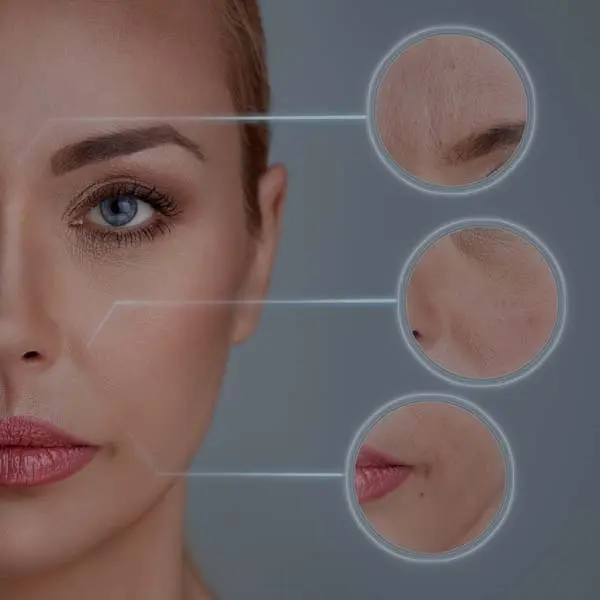






Are You Ready to Look & Feel Your Best?

Meet your surgeon
We specialize in:
- Facial rejuvenation
- Breast procedures such as augmentation and/or reduction
- Body lifts
- Tummy tucks and liposuction
- Advanced anti-aging solutions
- Cutting edge skin care treatments
- State of the art laser and light based rejuvenation treatments
- Laser therapies
- Thermi services
- ThermiVa
- Sculpsure
- Rhinoplasty
- Mommy Makeover
- Botox
- Neck and Facelifts
- Liposuction
- Acne and Scar Removal
- Octoplasty
- Brachioplasty
- Eyelid Surgery
- And more!








Uncover the Beauty Within
Ready to get started today?
Imagine having the body you’ve always dreamed of, or a restoration of the youth of yesteryear. Our team specializes in helping individuals just like you achieve their hopes and dreams as it relates to your body. From youthful glowing skin, to a slimmer sculpted body, at Dr. Brantner’s Plastic & Reconstructive Surgery we can make it happen!
Plastic, Reconstructive & Cosmetic Service that Make a Difference
Have you been searching for a plastic, cosmetic, or reconstructive surgery center that is patient focused and results oriented? Looking for a team with a demonstrated track record of healthy, happy patients and positive outcomes?
Your search is over. At Dr. Brantner’s Plastic & Reconstructive Surgery we’ve proudly served our community and patients just like you. We’re here to get you the treatment you need and the results you’ve dreamed of.
A few of our defining characteristics include:
- Patient-focused care and satisfaction
- Accredited, licensed and highly trained staff
- Advanced technology and medically advanced services
- Flexible payment and financing options
Before/After
Abdominoplasty Surgery after 100LB weight loss


What Our Paients Are Saying About Us..

I had BR surgery 2months ago, I had the anchor procedure. I had absolutely no problems at all, no pain, very little swelling and the results are amazing, with the added bonus that my back , neck, and shoulders no longer hurt. Even at just 2months my scars are hardly noticeable. I would recommend Dr Brantner to anyone , he and his staff are wonderful . I could not have had a better experience.
I highly recommend Dr. Brantner to any woman that wants a breast augmentation. I'm very pleased with my results. they look amazing and feel wonderful. If I ever need anything done in the future, I will sure be back to see Dr. Brantner. Thank you so much for taking good care of me!
Dr. Brantner and his associates are all amazing! They are very kind, smart, and honest people I highly recommend Dr. Brantner. They took great care of me and my needs from start to finish.
friendly and he takes time to answer any questions I may have and was even so kind as to take a phone call from me and he alleviated all concerns in a kind, gentle manner. Dr. Brantner and his staff were absolutely fantastic!!!!!! They made me feel soooooo comfortable before and after surgery. I highly recommend him to anyone looking to have a breast reduction.
Dr. Brantner is a highly skilled surgeon. I am so happy that I decided to go to him. After being in a car accident my nasal bones and surrounding bones had to be reconstructed. The first surgeon who worked on me did a terrible job and had zero bedside manner. That is when I sought out Dr. Branner, he not only did an amazing job fixing everything the first Doctor messed up, he also made it look better than it did originally. I would highly recommend him to anyone.
ThermiTight
